New IWSR data shows Gen Z shifting away from monthlong abstinence
Future of mindful drinking for Gen Z is less about extreme temporary sobriety and more about integrating flexible moderation into a permanent lifestyle.
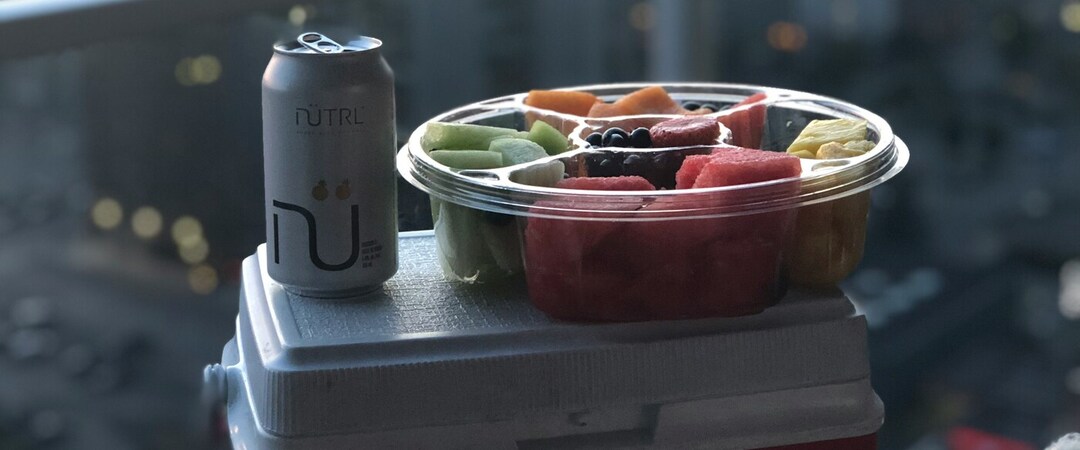



Future of mindful drinking for Gen Z is less about extreme temporary sobriety and more about integrating flexible moderation into a permanent lifestyle.
The traditional New Year push toward monthlong alcohol abstinence is showing signs of weakening, particularly among the youngest legal drinking demographic.
Ahead of the next major sober period, new analysis from the IWSR Drinks Market Analysis indicates that Gen Z consumers (aged 25 and under) are showing less enthusiasm for restrictive, monthlong sobriety challenges like Dry January compared to older generations.
The findings signal a shift in how younger consumers approach mindful consumption, moving away from extreme, temporary detoxes toward a more continuous, moderate approach to drinking.
While previous years saw growing participation in challenges like Dry January and Sober October, IWSR’s data reveals a plateau in interest among Gen Z. Instead of viewing alcohol consumption as binary (all or nothing), this cohort is integrating “damp” or moderate drinking habits into their daily lives throughout the year.
The study suggests that younger consumers are more likely to participate in intermittent sobriety, such as abstaining on weeknights or cutting consumption for a few weeks, rather than committing to a full 30-day challenge. This preference aligns with the burgeoning success of the no- and low-alcohol (NoLo) category, which allows for inclusion and moderation without full exclusion.
For the wider drinks industry, this trend has several key implications: