Greener whisky bottles under investigation as distillery tests aluminium alternative
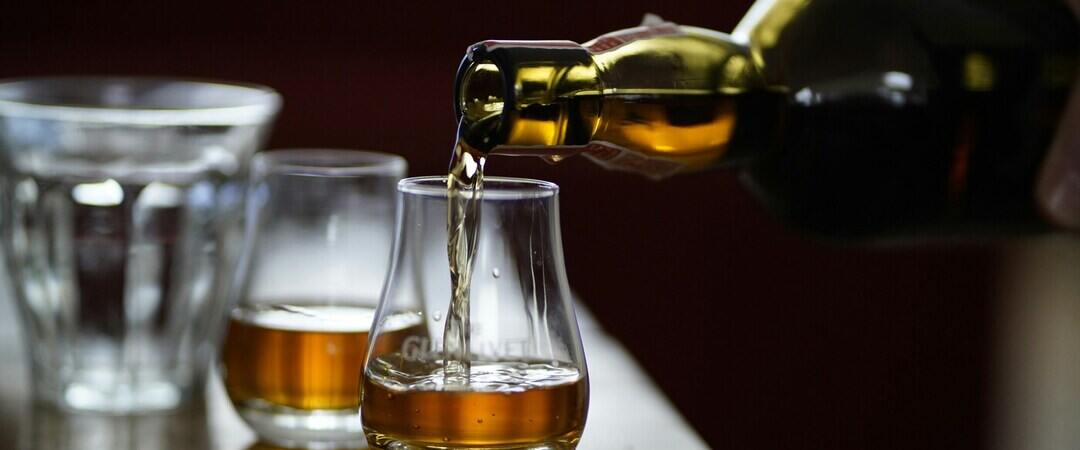



A new research project in Scotland is examining whether aluminium could replace glass in whisky packaging, as the industry looks for ways to cut its environmental footprint. Stirling Distillery has partnered with experts at Heriot‑Watt University’s School of Engineering and Physical Sciences to analyse how whisky matures and behaves when stored in aluminium rather than glass.
The study marks one of the first scientific evaluations of aluminium as a potential primary packaging material for Scotch whisky – a category traditionally defined by heavy glass bottles that contribute significantly to carbon emissions across production and transport.
Kathryn Holm of Stirling Distillery, who initiated the project, said the goal is to explore credible low‑carbon options ahead of the distillery’s first mature whisky release in 2027. “We want to make our distillery as sustainable as possible,” she said, noting that packaging remains one of the last major areas where meaningful innovation can reduce environmental impact.
Researchers will use controlled testing to understand whether aluminium affects whisky’s chemistry, flavour stability or sensory profile over time. While the team stresses that glass is unlikely to disappear from the category in the near future, offering consumers a lower‑carbon alternative for premium spirits could support wider industry sustainability goals.
The project comes as whisky producers across Scotland explore new ways to reduce emissions – from renewable energy and water efficiency to lighter‑weight bottles and alternative materials. Glass production is energy‑intensive, and transport emissions rise with heavier packaging, making aluminium an intriguing option due to its lower weight and high recyclability.
Heriot‑Watt scientists say the research will help determine whether aluminium can meet the strict quality and regulatory standards required for Scotch whisky, while giving distillers evidence‑based insights into future packaging decisions.
With the global spirits sector under increasing pressure to decarbonise, the findings could influence how premium drinks are packaged in the years ahead.
Photo by Dylan de Jonge on Unsplash