Federal Government issues historic nutritional "reset" to address health emergency
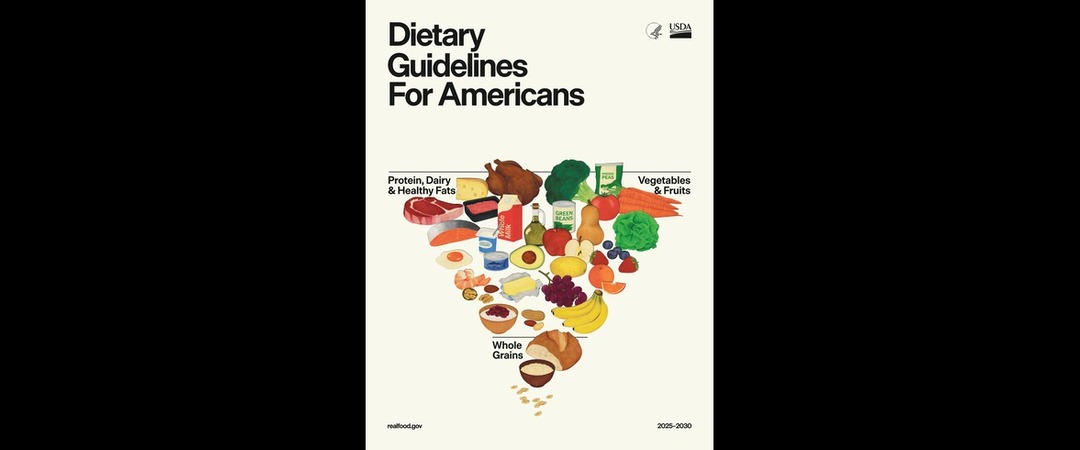



In what officials are calling the most significant shift in federal nutrition policy in US history, the Trump administration today unveiled new dietary guidelines designed to fundamentally "realign" the American food system.
The core directive of the new policy is a return to basics: "Eat real food."
The guidelines represent a departure from decades of federal policy, shifting the focus away from pharmaceutical intervention and toward the prevention of chronic disease through nutrient-dense, whole foods. The administration framed the move as the cornerstone of its "Make America Healthy Again" (MAHA) initiative.
The policy overhaul comes as the United States grapples with a staggering chronic disease crisis. Government data cited in the announcement reveals that nearly 90% of all healthcare spending in the US is currently directed toward treating chronic illnesses — many of which are attributed to the "Standard American Diet."
The consequences outlined in the report are stark:
The new guidelines call for a dramatic reduction in highly processed foods, specifically targeting items "laden with refined carbohydrates, added sugars, excess sodium, unhealthy fats, and chemical additives."
In their place, the administration is prioritising a diet built on:
"For decades, federal incentives have promoted low-quality, highly processed foods," the announcement stated. "This changes today. We are reclaiming the food pyramid and returning it to its true purpose of educating and nourishing all Americans."
The policy shift is expected to have far-reaching implications for the agricultural sector. The administration expressed a commitment to supporting American farmers and ranchers who produce "real food," while working to ensure these nutrient-dense options are affordable for all families.
The guidelines also serve as a call to action for the private sector, insurers, and healthcare professionals to pivot toward a "prevention-first" model. By shifting the food system away from chronic disease and toward nutrient density, the administration aims to restore "scientific integrity and accountability" to national health policy.
"America’s future depends on what we grow, what we serve, and what we choose to eat," the statement concluded.