Depackaging technology transforms farm waste into revenue streams
New machine enables vegetable growers to convert rejected produce into animal feed and bioenergy, supporting circular economy goals in sustainable food systems.



New machine enables vegetable growers to convert rejected produce into animal feed and bioenergy, supporting circular economy goals in sustainable food systems.
A groundbreaking waste processing solution is helping vegetable producers turn their biggest cost burden into a profitable venture, while advancing sustainability goals across the food supply chain.
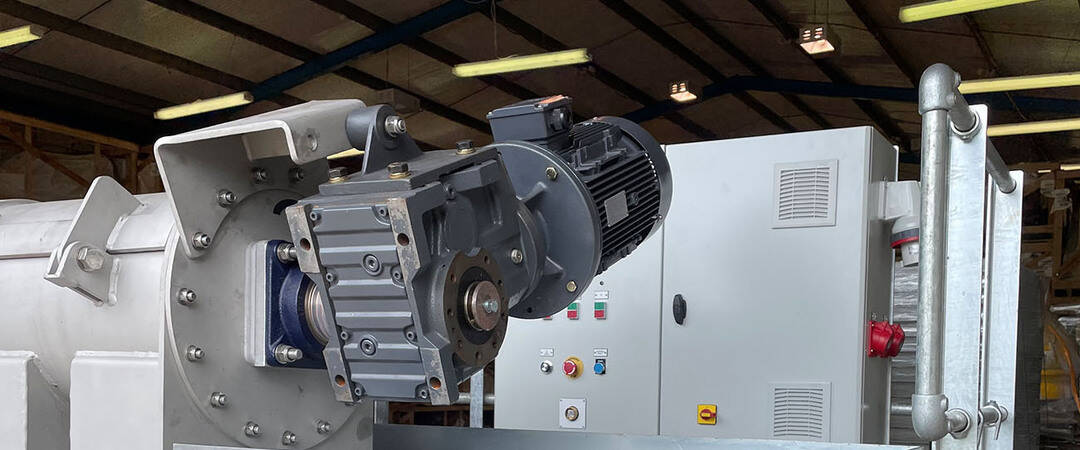
The innovative depackaging technology, developed by Rowan Food and Biomass Engineering, enables horticultural growers to separate plastic packaging from surplus fresh produce on-site, transforming what was once expensive waste disposal into multiple revenue opportunities.
For farmers who package vegetables destined for supermarkets, product rejection creates a significant financial and environmental challenge. When packaged produce is turned away due to quality standards, cosmetic imperfections, or oversupply, growers face costly waste management fees and disposal logistics.
"If a farmer has packaged up vegetables to go to the supermarket, and for whatever reason they're rejected, they have a huge waste problem to deal with," explains Matthew Rowan, director at Rowan Food and Biomass Engineering. "Farmers usually pay to outsource waste management, but they could be doing it themselves on site – removing this expense."
The Dominator ER machine represents a scaled-down version of industrial depackaging equipment already proven across food, pharmaceutical, and retail sectors. While the company's larger machines process 200-300 tonnes weekly for major manufacturers, the farm-focused model handles 10-20 tonnes per week – ideal for on-site horticultural operations.
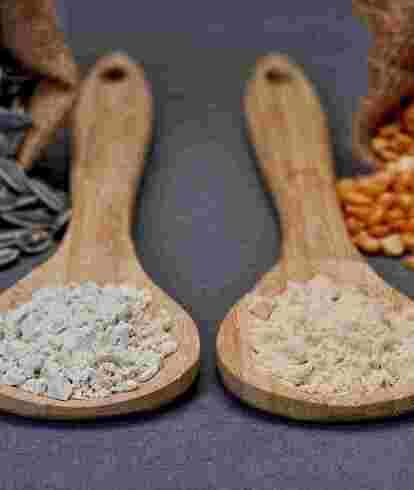
The separated organic waste opens multiple value creation pathways:
"There could be an AD plant on-site, or at a local farm that needs feedstock – offering another revenue stream from what would otherwise have been wasted," Rowan notes.
The technology's effectiveness is already demonstrated across diverse applications. In the horticulture sector, the machine processes grow bags, separating plastic containers from valuable compost that would otherwise be landfilled.
One particularly striking case study involves a major UK pet food manufacturer that was disposing of 30 tonnes of waste weekly. After implementing the Dominator ER system, the company eliminated off-site disposal costs and transport emissions while achieving operational control over waste streams, with projected investment returns under 12 months.
The innovation aligns with growing industry emphasis on circular economy principles and waste reduction strategies essential to sustainable food production. By enabling farmers to monetise rejected produce through feed and bioenergy applications, the technology supports more efficient utilisation of plant-based resources.
Phil Rowan, also a director at the company, emphasizes the broader supply chain impact: "We have supplied over 100 machines to different industries around the world throughout the supply chain. We recognised that we could provide help earlier in the chain, and support farmers in waste management."
Recognizing varying farm sizes and capital constraints, the company offers flexible deployment options including mobile units that can be shared between sites or leased rather than purchased outright.
"This really can be an answer to addressing food waste problems within farming, while providing a diversification opportunity and environmental benefits across the sector," Matthew Rowan concludes.
Industry showcase: the Dominator ER machine will be demonstrated at LAMMA 2026 (January 14-15) at the NEC Birmingham, Saveco stand 6.910. More information available at www.dominator-depackaging.com
Rowan Food & Biomass Engineering Services, established in 2007, specialises in depackaging solutions across agriculture, food waste, pharmaceuticals, and renewable materials sectors, with operations spanning multiple continents.