BSI issues ‘Critical Decade’ call to action
AI and alternative proteins key to navigating global food stress.



AI and alternative proteins key to navigating global food stress.
The global food industry is entering its "most defining period yet," according to a landmark report from the British Standards Institution (BSI).
Titled Food Future 2035: The Critical Decade, the research warns that "business as usual" will no longer suffice as the sector grapples with climate change, nutrient decline, and a global population projected to reach 10.3 billion by 2080.
The report serves as a strategic roadmap for food and drink professionals, urging a radical "rethinking, rebuilding, and reimagining" of how food moves from source to shelf over the next ten years.
Scaling alternative proteins
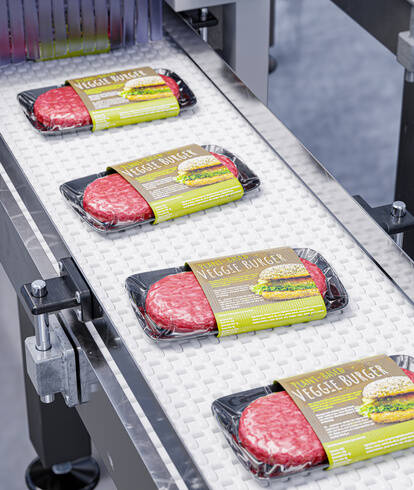
BSI identifies the rapid scaling of alternative proteins and cellular agriculture as essential to decoupling food production from intensive land use. However, the report stresses that innovation alone is not enough; the industry requires a robust framework for verification to build trust with investors and consumers alike.
Key requirements for the sector include the development of international standards for the safety of bioreactors, strict input traceability, and the credible validation of environmental claims. Without global consistency and clarity on these novel technologies, the report warns, the transition to a sustainable protein supply could be hampered by regulatory fragmentation and consumer skepticism.
AI and the rise of ‘virtual physiological twins’
In one of the report’s most futuristic projections, BSI highlights the role of artificial intelligence in driving the hyper-personalisation of nutrition. The authors envision a system where "virtual physiological twins" are used to analyse the specific health impacts of an individual's diet in real-time.
This AI-driven approach is expected to transform the consumer relationship with food, shifting the focus toward preventative health and tailored nutrient intake. Beyond personalisation, the report advocates for the use of advanced data modelling to optimise supply chains and accelerate the discovery of functional ingredients.
Circularity and food sovereignty
Addressing the $1 trillion annual loss attributed to food waste, BSI calls for a shift toward "circular valorisation." This involves the industrial-scale repurposing of production byproducts and cosmetically imperfect items into new, high-value food products.
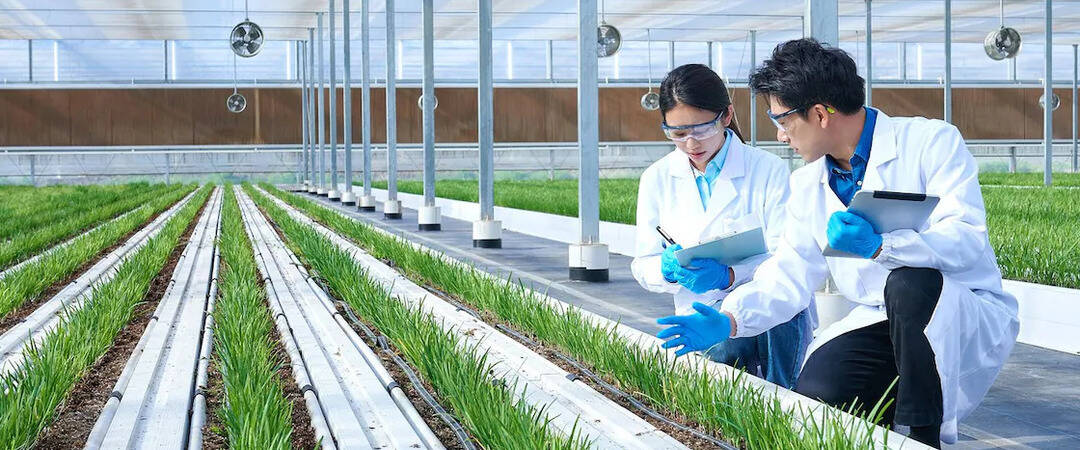
The report also emphasises "food sovereignty" – the ability for nations to maintain a reliable base level of domestic production. This is to be enabled by decentralised models like vertical farming and urban agriculture, supported by new standards for energy efficiency and local production verification.
A pivotal inflection point
"The next decade will be pivotal," said Todd Redwood, global managing director for consumer, retail, and food at BSI. "We are on the cusp of big changes, but this transition rests on global consistency and clarity. Success will require collaboration between government, industry, and consumers."
The report concludes that the brands that thrive in 2035 will not be those that simply produce more, but those that understand food as a complex system requiring balance between human health and planetary boundaries.