Amcor joins Danish consortium to scale food‑grade plastics recycling
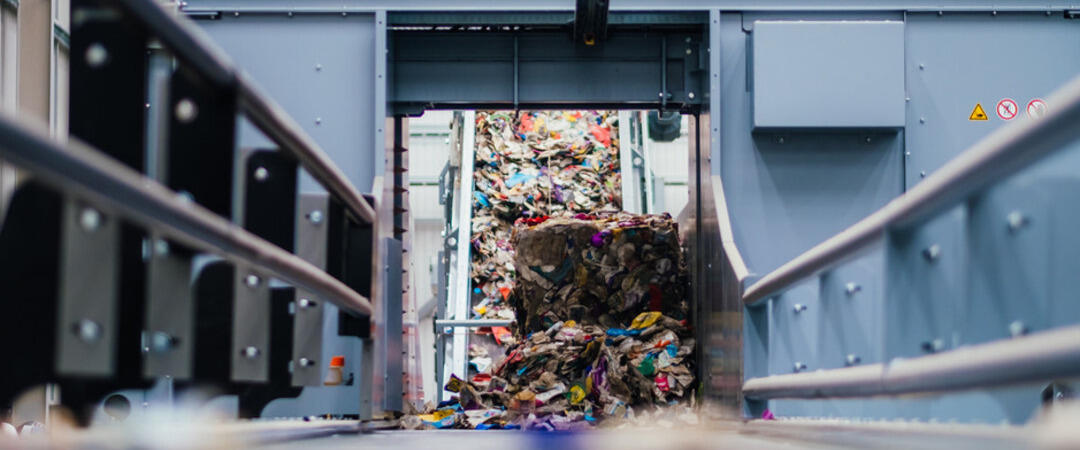



Amcor has joined a major three‑year Danish innovation partnership aiming to establish full‑scale circular recycling for polyethylene (PE) and polypropylene (PP) food packaging collected from households.
The initiative – Circular Recycling Innovation for Sustainable Packaging (CRISP) – is led by the Danish Technological Institute and brings together packaging producers, food manufacturers, and waste‑management specialists.
The project focuses on developing a systemic route to produce food‑grade rHDPE and rPP from post‑consumer sources, addressing one of the most persistent bottlenecks in Europe’s plastics value chain: the shortage of high‑purity recycled material suitable for direct food contact.
Amcor will contribute technical expertise from its CleanStream mechanical recycling facility in Leamington Spa, UK, as well as its packaging production site in Randers, Denmark. The company says its role will centre on designing and producing food packaging using recycled materials, and on supporting traceability requirements for food‑contact plastics within the recycling loop.
Christian Bruno, R&D director for North East Europe at Amcor, said the project demonstrates the value of cross‑industry collaboration. “Sustainable challenges require industry collaboration, and this partnership will demonstrate what can be done when the supply chain comes together,” he said. “We are proud to be part of a project that could potentially have a significant environmental impact in Denmark and set new standards worldwide.”
The CRISP programme aligns with the EU Packaging and Packaging Waste Regulation (PPWR), which will require most plastic packaging to be recyclable by 2030, alongside the EU‑wide target to achieve a 55% plastics recycling rate by the same year. Denmark’s Extended Producer Responsibility (EPR) scheme – set to financially incentivise more sustainable packaging design – adds further regulatory momentum behind the project’s goals.
Per Sigaard Christensen, business manager at the Danish Technological Institute, said the consortium’s combined expertise positions it to “provide a clear pathway towards the circular recycling of PE and PP food packaging” over the project’s 2025–2028 timeline.
CRISP partners include Svensk Plaståtervinning, Aage Vestergaard Larsen, Amcor, Pharma‑Tech A/S, Arla Foods, Nestlé Nordics, VANA, and the Danish Technological Institute. The initiative is supported by Denmark’s Environmental Technology Development and Demonstration Programme (MUDP) as a lighthouse project.